Article Navigation
- Quick Answer
- Why Routine Inspection Matters
- How Often Should You Inspect Your Sex Doll?
- Situations That Require Additional Inspections
- What Should You Check During Each Inspection?
- Recommended Inspection Schedule
- Conclusion
- Frequently Asked Questions
Quick Answer
Routine inspection should be part of every sex doll owner’s regular maintenance routine. Rather than relying on a fixed calendar alone, inspections are best performed before and after cleaning, before long-term storage, after extended storage, and whenever you notice changes in the doll’s appearance or movement. Regular inspections help identify minor issues early, making routine maintenance easier and reducing the likelihood of more extensive repairs later.
Before You Start
This guide focuses on inspection frequency, not inspection techniques.
If you are looking for a step-by-step inspection procedure, see:
How to Inspect a Sex Doll for Damage
This article explains when inspections are recommended as part of preventive maintenance.
Why Routine Inspection Matters
Routine inspection is one of the simplest ways to support long-term maintenance for both TPE and silicone sex dolls. Regular visual checks help you monitor changes in the doll’s overall condition, allowing minor concerns to be identified before they become more difficult to address.
Inspection also helps you determine whether additional maintenance—such as cleaning, drying, storage preparation, or surface repair—may be appropriate.
Rather than treating inspection as a separate task, it should become a natural part of every maintenance routine.
How Often Should You Inspect Your Sex Doll?
There is no universal inspection schedule that applies to every owner because maintenance needs vary depending on usage, storage conditions, and the manufacturer’s recommendations.
As a general maintenance routine, inspections are recommended:
- Before cleaning
- After cleaning and drying
- Before long-term storage
- After long-term storage
- Before extended use following a long period of inactivity
- Whenever unusual wear, discoloration, loose joints, or surface changes are noticed
Instead of focusing only on time intervals, many experienced owners incorporate inspection into every major maintenance activity.
Situations That Require Additional Inspections
Certain situations may justify an additional inspection outside your normal maintenance routine.
Examples include:
After Transportation
Shipping or moving the doll may introduce stress to joints or exposed surfaces.
After Long-Term Storage
Inspect the doll before returning it to regular use.
After Accidental Impact
If the doll has fallen or experienced unexpected force, examine the surface and movable joints before continued use.
When Something Looks Different
Changes such as unusual discoloration, pressure marks, loose joints, or visible surface wear should be inspected promptly.
What Should You Check During Each Inspection?
A routine inspection does not need to be complicated.
Focus on the following areas:
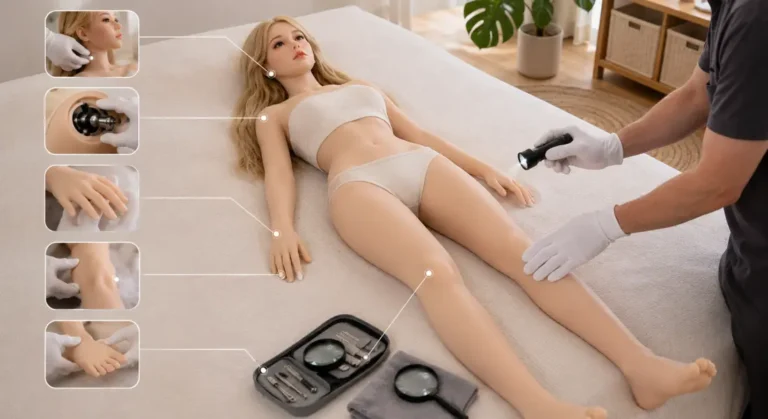
- Overall surface condition
- Visible scratches or tears
- Pressure marks
- Areas exposed to frequent friction
- Joint movement
- Hands and feet
- Neck connection
- Areas that contact storage supports
- General cleanliness before additional maintenance
If any abnormalities are observed, determine whether cleaning, repair, or further maintenance may be appropriate according to the manufacturer’s care guidance.
Recommended Inspection Schedule
| Situation | Inspection Recommended |
|---|---|
| Before cleaning | ✓ |
| After cleaning and drying | ✓ |
| Before long-term storage | ✓ |
| After long-term storage | ✓ |
| After transportation | ✓ |
| After accidental impact | ✓ |
| Before extended use | ✓ |
| Whenever unusual changes are noticed | ✓ |
Rather than following a rigid timetable, building inspections into your regular maintenance routine is generally the most practical approach.
Conclusion
Routine inspection is not about finding damage—it is about maintaining awareness of your doll’s overall condition.
By inspecting your sex doll before major maintenance tasks and whenever visible changes occur, you can identify potential issues early and make informed decisions about cleaning, storage, or repair. Consistent inspections are one of the simplest habits that support long-term care.
Frequently Asked Questions
Routine inspection should become part of your regular maintenance routine rather than being performed only on a fixed schedule. A visual inspection is generally recommended before cleaning, after long-term storage, before extended use, and whenever you notice changes in the doll’s appearance or movement. Following the manufacturer’s maintenance recommendations for your specific doll is always the best practice.
Yes. Before returning a doll to regular use after an extended storage period, inspect its surface, joints, and any areas that may have been under continuous pressure. This helps identify any visible changes that may have occurred during storage and allows you to perform any necessary maintenance before use.
An inspection is recommended whenever you notice visible changes such as scratches, tears, discoloration, pressure marks, unusual joint movement, or other signs of wear. Additional inspections are also advisable after transportation, accidental impact, or before placing the doll into long-term storage.
Yes. Both TPE and silicone sex dolls benefit from routine inspections as part of regular maintenance. Although different materials may have different care requirements, periodic inspections help identify visible wear and support timely cleaning, storage, or repair according to the manufacturer’s guidance.
Routine inspections cannot prevent every type of damage, but they can help identify minor issues before they become more serious. Detecting surface wear, loose joints, or other visible changes early allows maintenance to be performed at an appropriate time and may reduce the likelihood of more extensive repairs later.
If you discover scratches, tears, pressure marks, or other visible surface damage, avoid continuing to use the doll until you have assessed the condition. Depending on the type and extent of the damage, you may need to clean the area, perform appropriate maintenance, or follow a suitable repair guide. If you are uncertain, consult the manufacturer’s maintenance recommendations before attempting any repair.
Internal Linking
Previous Guides
Related Guides