On this page
- Quick Answer
- Before You Start
- What Causes Surface Damage?
- 8 Ways to Prevent Surface Damage
- Daily Maintenance Checklist
- Conclusion
- Frequently Asked Questions
Quick Answer
Most surface damage can be reduced through consistent preventive care rather than repair. Handle your doll gently, keep it clean, store it correctly, avoid contact with sharp or abrasive objects, and inspect high-stress areas regularly. Preventive maintenance helps preserve appearance, extends the life of the doll, and minimizes the need for future repairs.
Before You Start
Who This Guide Is For
This guide is suitable for owners of both TPE and silicone sex dolls who want to reduce everyday wear and keep their doll in good condition over time.
Estimated Reading Time
Approximately 6 minutes.
Before You Begin
You do not need special tools to follow this guide. Instead, focus on establishing good daily habits and inspecting your doll regularly.
If your doll already has visible tears or scratches, read our repair guide before continuing with preventive care.
What Causes Surface Damage?
Understanding the common causes of surface damage makes prevention much easier.
Friction During Use
Repeated friction on the same areas can gradually wear the surface, especially around joints and other high-flex points.
Improper Storage
Leaving a doll in awkward positions or in contact with hard surfaces for extended periods may increase pressure on the skin and contribute to deformation or abrasion.
Sharp Objects
Jewelry, fingernails, zippers, rough furniture edges, or other sharp items may accidentally scratch or tear the surface.
Infrequent Inspection
Small scratches often go unnoticed. Regular inspections allow you to identify minor issues before they develop into larger repairs.
8 Ways to Prevent Surface Damage
1. Handle Your Doll Gently
Lift and reposition the doll carefully. Avoid dragging it across the floor or pulling directly on the limbs.
2. Keep the Surface Clean
Dust, dirt, and other particles can increase friction. Regular cleaning helps maintain a smoother surface and reduces unnecessary wear.
3. Store the Doll Correctly
Choose a clean, dry storage location away from direct sunlight, excessive heat, or sharp objects. Reduce prolonged pressure on the same body areas whenever possible.
4. Avoid Sharp Accessories
Remove rings, watches, bracelets, or other accessories that may accidentally scratch the doll during handling.
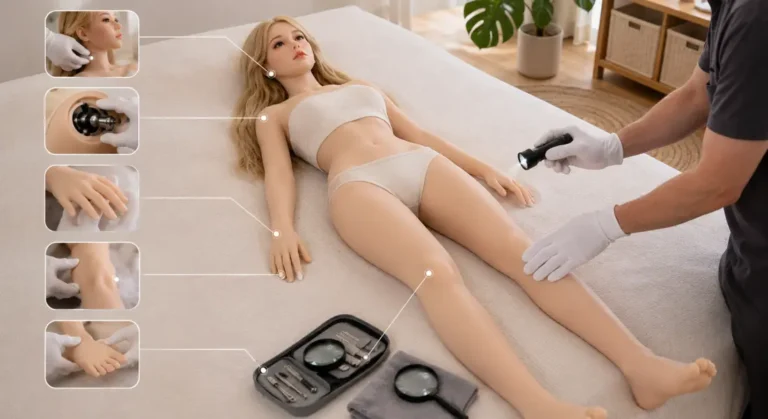
5. Inspect High-Stress Areas Regularly
Pay particular attention to areas around the shoulders, hips, elbows, knees, fingers, and other frequently moved joints.
6. Minimize Excessive Friction
Avoid repeatedly rubbing the same area against rough fabrics or abrasive surfaces.
7. Follow a Regular Maintenance Routine
Periodic inspection and routine care are generally more effective than waiting until visible damage occurs.
8. Address Minor Problems Early
Small scratches or light abrasions are often easier to manage than larger tears. Early attention may help prevent additional surface wear.
Daily Maintenance Checklist
Good preventive care is built on consistency rather than occasional deep maintenance. Use the checklist below to help establish a simple routine.
| Task | Recommended Frequency |
|---|---|
| Visually inspect the doll for scratches or tears | Before and after use |
| Remove dust and surface debris | As needed |
| Check high-stress areas (shoulders, hips, elbows, knees) | Weekly |
| Store the doll in a clean, dry environment | After each use |
| Avoid prolonged contact with rough or sharp surfaces | Always |
| Review the doll’s overall condition | Monthly |
Tip: Keeping a regular maintenance schedule can help identify minor cosmetic issues before they require repair.
Conclusion
Preventing surface damage is easier, less time-consuming, and often more effective than repairing it later. By handling your doll carefully, storing it properly, inspecting high-stress areas, and following a consistent maintenance routine, you can help preserve both its appearance and long-term durability.
While normal wear is expected over time, good maintenance habits significantly reduce the likelihood of scratches, abrasions, and small tears.
If you discover existing damage during your inspection, address it promptly before it becomes more difficult to manage.
Frequently Asked Questions
Everyday friction, improper storage, accidental contact with sharp objects, and rough handling are among the most common causes of minor surface damage.
Yes. Storing your doll in a clean, dry location with adequate support helps reduce unnecessary pressure, friction, and deformation over time.
A quick visual inspection before and after use is recommended. A more thorough inspection every few weeks helps identify minor issues early.
Many light scratches are cosmetic, but they should still be monitored. Early attention can help prevent additional wear from repeated friction.
Regular preventive care helps maintain the doll’s surface condition and reduces the need for future repairs, contributing to longer-term usability.
f you notice a small tear or other minor surface damage, stop using the affected area and follow an appropriate repair guide or contact the manufacturer if the damage appears severe.